Stop Blowing Your Load at 10 PM: The Art of Pacing a Party That Stays Lit All Night
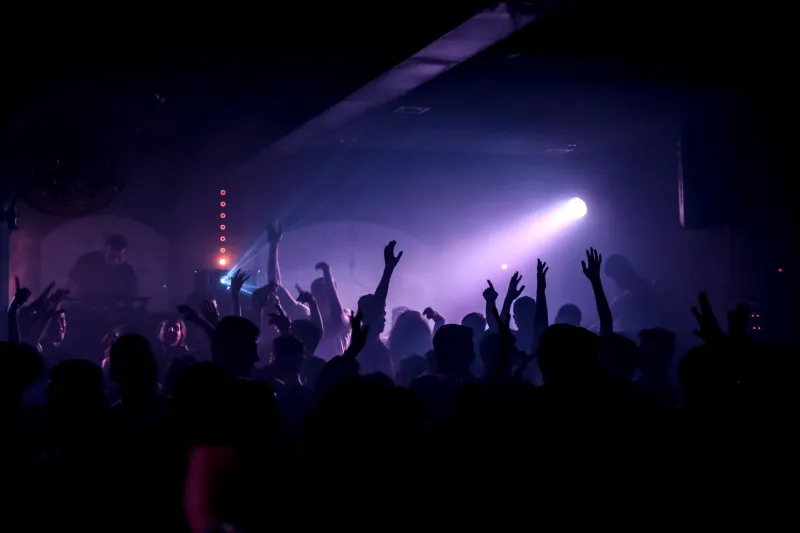
Picture this: It's 10:07 PM. The room is packed, the playlist is exactly right, someone just cracked the funniest joke, and three separate conversations are happening at full volume. You look around and think — this is it. This is the moment.
And then, slowly, invisibly, it starts to unravel.
By 11:15, half the room is on their phones. By midnight, the energy feels like a balloon someone let the air out of. By 12:30, people are ghost. You're standing in your kitchen holding a Solo cup wondering what happened.
What happened is called the Premature Peak — and it is the silent killer of otherwise great parties. The good news? It's entirely preventable. The better news? Once you understand how party energy actually works, you'll never plan a night the same way again.
Why Parties Peak Too Early (And It's Not the Alcohol)
Most hosts front-load everything. They put out all the food at once, queue up the absolute bangers from jump, invite everyone to arrive at the same time, and then wonder why the room feels like it hit a ceiling before 10:30.
The problem isn't effort — it's sequencing. A party is not a moment. It's a journey. And like any good journey, it needs rising action before it earns its climax.
Think about your favorite rap album. Kendrick doesn't open DAMN. with the heaviest track and then coast. Drake doesn't drop the most emotional cut in the first three songs. There's architecture to it — a deliberate build that makes the payoff hit harder because you earned it.
Your party needs that same architecture.
The Three-Phase Party Framework
Here's how to think about your night in phases rather than one long block of time:
Phase 1: The Warm-Up (Arrival to 9:30 PM)
This is your opening act energy. People are still arriving, reading the room, figuring out the vibe. This is not the time to drop the hardest beats or bring out the most elaborate setup. Let the atmosphere breathe.
Keep the music mid-tempo. Think R&B, early 2000s hip-hop, some neo-soul. Food should be available but not fully deployed — small bites, a couple of apps. Conversation is the main event right now. Your job is to make people feel comfortable, not overwhelmed.
A common mistake: playing DJ Khaled anthems while people are still taking off their coats. You've already peaked and nobody's even had a drink yet.
Phase 2: The Escalation (9:30 PM to 11 PM)
This is where you start stacking moments intentionally. This is the phase most hosts accidentally skip — they jump straight from warm-up to full send, which is exactly how you end up at Premature Peak territory.
The escalation phase is about controlled excitement. Introduce a new element every 30-45 minutes. Maybe that's when you bring out a signature cocktail or mocktail bar. Maybe it's when the playlist shifts from mid-tempo to something with a little more bass. Maybe it's a quick game, a photo moment, or a surprise guest.
Each new element resets the energy clock. People who were starting to settle get re-engaged. The room gets a second wind without anyone realizing you engineered it.
Pro tip: Stagger your invites. Ask your most socially magnetic friends to arrive around 9:30 or 10 PM rather than at the start. Fresh energy from new arrivals is one of the most underrated momentum tools a host has.
Phase 3: The Peak and the Hold (11 PM to Close)
Your actual peak should happen somewhere between 11 PM and midnight — not before. By this point, the room is warm, the drinks have done their thing, relationships have formed, and the vibe is earned. Now you can go all in.
This is when the playlist goes full tilt. This is when you drop the crowd-favorite tracks. This is when the energy is allowed to be uncontained.
But here's what separates good hosts from great ones: the hold. After the peak, most parties crash because the host has nothing left. You need at least one more escalation trick in your back pocket — a late-night food drop (mini sliders, fries, anything warm and unexpected), a slower set that pulls couples to the floor, or even just dimming the lights slightly to shift the mood into something more intimate.
The hold keeps people from leaving. It tells the room: there's more. Stay.
Real-Talk Examples of Parties That Peaked Too Soon
We've all been to the birthday party where the host blasted "In Da Club" as the first song of the night. The whole room goes up — and then spends the next two hours chasing that same high with diminishing returns.
Or the house party where all the food came out at 8 PM, was gone by 9, and by 10:30 people were restless and slightly grumpy. Food is an anchor. When it's gone, people start thinking about leaving.
Or the event where the DJ played the most hype set of the night at 9:45 PM during the arrivals window — when half the guest list wasn't even there yet. By the time the room was full, the DJ was visibly tired and the energy had nowhere to go but down.
None of these hosts were bad at throwing parties. They just didn't understand that timing is everything.
Practical Tools to Protect Your Party's Momentum
Create a loose event timeline. You don't need a minute-by-minute schedule, but you should know roughly when each major element drops. Write it down. Stick to it.
Brief your DJ or playlist manager. If someone else controls the music, they need to understand the arc. Share the three-phase framework. Tell them when to shift gears.
Hold back your best stuff. Whether it's a specialty drink, a surprise performance, or the party favor moment — resist the urge to lead with your best card. Save at least two or three intentional moments for after 10:30 PM.
Watch the room, not the clock. The framework is a guide, not a law. If your crowd is still warming up at 10 PM, don't force the escalation. Read the energy and respond accordingly.
Plan your ending. The best parties don't just die — they close. Have a closing track, a last-call moment, a reason for the final stretch to feel intentional rather than accidental.
The Real Flex Is Making It Last
Anybody can throw a party that's fun for an hour. The real skill — the thing that gets you talked about on Monday morning — is engineering a night that builds. That keeps people guessing. That makes everyone feel like they stayed for exactly the right amount of time and still didn't want to leave.
Your 10 PM moment can be great. It just shouldn't be your greatest. Save that for when the room is ready to receive it.
Because the best parties don't peak early. They build slow, hit hard, and leave people wishing they had one more hour.