The Room Was Fine at 10 — So Why Did Everyone Bounce by 12? The Hidden Culprits Behind a Dying Party
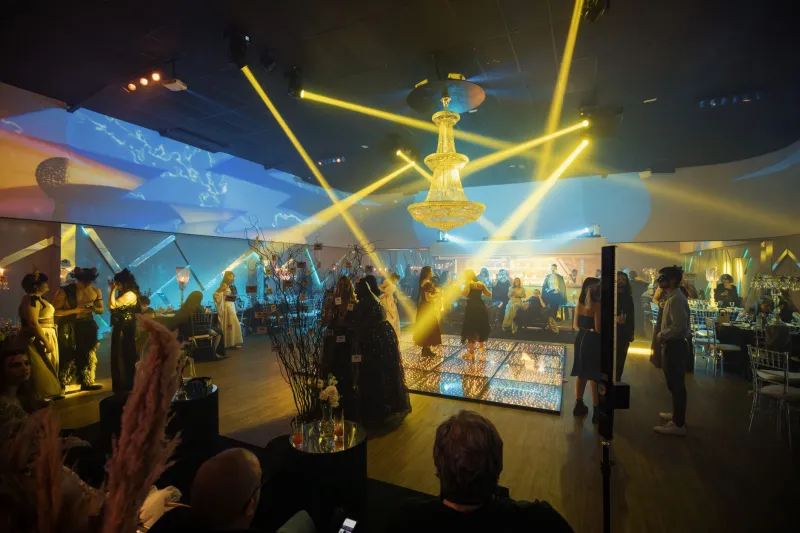
You've been there. The first two hours are electric. People are mingling, laughing, dancing — the room has that unmistakable energy that tells you tonight is going to be a story people tell later. Then something shifts. It's subtle at first. A few people start checking their phones. Someone mentions they have an early morning. By 12:30, the room that felt packed at 10 looks like a Tuesday night at a bar nobody really likes.
Here's the thing nobody wants to say out loud: the music probably wasn't the problem. The playlist held up. The issue was the room itself — the temperature, the air, the layout, the light, the line for the bathroom. The invisible stuff that guests feel but rarely articulate. Let's break it down.
The Temperature Nobody Told You About
A warm room full of people feels cozy for about forty-five minutes. After that, it becomes a slow drain on everyone's energy. Bodies generate heat. Dancing generates heat. Drinks generate heat. If your HVAC isn't compensating, your guests are unconsciously deciding they'd rather be literally anywhere cooler.
The fix sounds simple, but most hosts miss it: set your thermostat a few degrees lower than feels comfortable before guests arrive. Like, noticeably cool. Because once the crowd fills in, the temperature will climb fast. Aim for a room that feels slightly chilly when it's empty — your guests will bring it up to just right without you touching the dial all night.
If you're in a venue without great climate control, fans positioned strategically (not blowing directly on people) can create enough airflow to keep things tolerable. Bonus: air movement also helps with the next problem.
Air Quality Is a Vibe Killer Nobody Talks About
Speaking of airflow — stale air in a packed space is one of the most underrated party killers in existence. When a room gets stuffy, people start feeling vaguely uncomfortable without knowing why. Their bodies are telling them something is off. Most will interpret that signal as "maybe it's time to go" rather than "I need fresh air."
Cracking a window or a side door — even slightly — can completely transform the atmosphere in a crowded space. If you're hosting somewhere with outdoor access, use it deliberately. Create a reason for people to step outside briefly (a designated spot, a fire pit, a chill corner) so the indoor space gets a natural refresh cycle as people move in and out.
Also worth noting: heavy food smells, smoke, and even competing fragrances from candles or air fresheners can contribute to that suffocating feeling. Keep scents light and ventilation consistent.
Overcrowding Feels Like a Flex Until It Doesn't
A full room looks great on social media. In real life, there's a threshold where "packed" tips into "suffocating," and once guests cross that line, they start looking for exits. People need to be able to move through a space without performing a full-body negotiation every time they want a drink refill.
Know your space's comfortable capacity — not its maximum capacity, its comfortable one. That's roughly the number of people who can move freely, find a place to stand or sit without invading someone's personal space, and reach the bar or bathroom without a ten-minute mission. If your guest list consistently exceeds that number, either upgrade the venue or tighten the list.
If you're already in an overcrowded situation mid-party, use the layout to redistribute people. Open up a space that wasn't initially in play. Move the bar or snack station to a different area to naturally pull people toward it. Create a reason for guests to flow toward less congested zones.
Seating Is Either Your Best Move or Your Worst One
Seating arrangements do one of two things to a party: they create cozy pockets of conversation that anchor people to the space, or they create sedentary clusters that kill movement and momentum. The difference is in the intention.
Too much seating encourages people to plant themselves, stop moving, and eventually decide they might as well go home and sit on their own couch. Too little seating leaves people physically tired after a couple of hours, which sends them to the door for the same reason.
The sweet spot is seating that invites rest without encouraging retreat. Small clusters of chairs near conversational zones, a few bar-height options that keep people upright and engaged, and a clear open floor for dancing or movement. If your party has a dance floor, keep seating peripheral — close enough to retreat to, far enough that sitting doesn't feel like opting out of the whole night.
Lighting Shifts Can Make or Break the Second Half
Here's something most hosts never think about: your lighting should evolve as the night does. The warm, welcoming light that works perfectly at 9 PM feels flat and static by 11. The energy of a party in its peak hours calls for something different — a little moodier, a little more atmospheric, a little less "dinner party" and a little more "this is a whole moment."
Build in a lighting transition at some point in the evening. Dim the overheads slightly. Add color if you have the equipment for it. Light a few candles in strategic spots. These aren't just aesthetic choices — they signal to guests that the night is shifting into a new gear rather than winding down.
Conversely, if the lights get too dark too fast, people lose the ability to read the room. Conversation becomes harder. New connections become awkward. Find the balance between atmospheric and functional.
The Bathroom Line Is Costing You More Than You Think
We've touched on this before in this space, but it bears repeating in this context: bathroom accessibility is a direct factor in how long guests stay. If someone has to wait fifteen minutes to use the bathroom, they're doing math in their head. Fifteen minutes standing in a hallway is fifteen minutes closer to just calling it a night.
If you're hosting a larger event, designate multiple bathrooms if they're available. If you only have one, keep it stocked, keep it clean throughout the night (assign someone this task explicitly), and keep the path to it clear. A bathroom that feels like a journey is a reason to leave early.
The Diagnosis You Didn't Know You Needed
Next time your party starts losing steam before you're ready for it to end, resist the urge to blame the playlist or the crowd. Walk the room instead. Is it hot? Is the air stale? Are people squeezed in too tight? Is the lighting doing nothing? Is the bathroom situation a problem?
Fix one of those things and watch the energy respond. Because the truth is, your guests want to stay. They came to have a good time. When they leave early, the room itself pushed them out — and now you know exactly what to fix.