From First Guest to Last Dance: How to Build a Playlist That Never Loses the Room
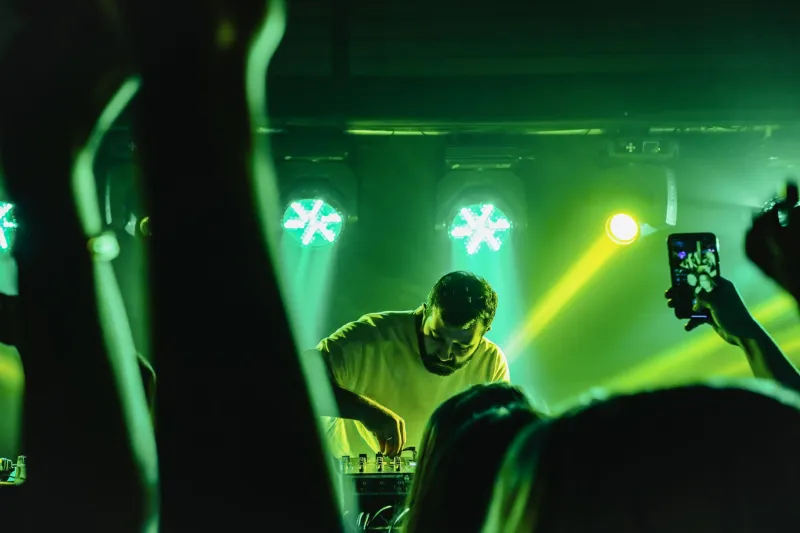
Let's be real: nothing kills a party faster than a bad playlist. You can have the sickest decorations, the most stacked spread, and a guest list full of your favorite people — but if the music is off, the whole vibe crumbles. A great playlist is the backbone of any unforgettable night, and building one takes more intention than just hitting shuffle on your Spotify likes.
We talked to DJs, professional party hosts, and music obsessives to bring you the ultimate breakdown of how to structure your music from the moment the first guest walks in to the very last song of the night.
The Arrival Window: Set the Tone Without Overwhelming
The first 30 to 45 minutes of any party is what DJs call the "warm-up window." People are still trickling in, conversations are just starting, and nobody's ready to go full send on the dance floor yet. This is not the time for your hardest bangers.
"You want music that feels like a warm hug," says DJ Simone Reyes, a Brooklyn-based event DJ who has hosted everything from intimate loft parties to label showcases. "Think mid-tempo R&B, neo-soul, some laid-back hip-hop. Artists like Sza, Smino, Kaytranada — stuff that's undeniably good but doesn't demand your full attention."
The goal here is to create a vibe that makes guests feel welcomed and comfortable. Tracks with familiar energy but maybe less mainstream recognition work beautifully — they signal to your guests that this host has taste without being showy about it.
Arrival playlist formula:
- 70% chill hip-hop, R&B, or neo-soul
- 20% low-key Afrobeats or Latin grooves
- 10% wild card (jazz-hop, lo-fi beats, or a throwback deep cut)
The Build: Creating Energy Peaks and Valleys
Once your crowd is settled in, drinks are flowing, and the energy in the room starts to lift naturally, it's time to start building. This is where most amateur playlist curators go wrong — they either rush the climb and peak too early, or they stay flat for too long and lose the room entirely.
Think of your playlist like a story arc. You need rising action before you can get to the climax.
"The best playlists have tension and release," explains Marcus Webb, a Chicago-based party host and founder of a popular underground events collective. "You bring the energy up for three or four songs, then you drop in something slightly slower but still groovy. It gives people a chance to breathe, grab a drink, reconnect — and then when you bring it back up, they hit even harder."
This technique, sometimes called "the wave," is a cornerstone of professional DJ sets. Try building two or three of these energy waves across the middle portion of your night, gradually making each peak slightly more intense than the last.
Genre mixing tip: Don't be afraid to blend. A smooth transition from a Drake track into a Bad Bunny banger into a throwback Missy Elliott record is exactly the kind of move that makes guests look up from their conversations and say, "Wait, who made this playlist?"
Peak Hours: This Is Where You Go All In
Usually between 10 PM and midnight at a house party, you hit what party planners call "peak hours" — the window where everyone is present, loose, and ready to move. This is your moment to drop the heavy hitters.
Pull out the songs that everyone knows every single word to. Classics with undeniable floor energy — think Cardi B, Kendrick Lamar, Beyoncé's "Lemonade" era cuts, early 2000s throwbacks that hit different at full volume. This is also the time to lean into whatever genre your specific crowd responds to most.
"Reading the room is a skill," DJ Reyes notes. "Pay attention to body language. If people are drifting toward the dance floor, you lean in harder. If they're clustering into conversation circles, you might need to recalibrate. The playlist is a living thing — be willing to adjust."
If you're not DJing live and working off a pre-built playlist, build in some flexibility. Create a "peak hours" folder with 40 to 50 songs and be ready to skip tracks that aren't landing. No shame in it.
Reading the Room in Real Time
Here's the thing nobody tells you: even the most carefully constructed playlist will sometimes need surgery mid-party. Someone requests a song. The crowd skews older or younger than expected. A particular genre just isn't hitting the way you thought it would.
The key is staying present and responsive without panicking.
- Watch the dance floor density. If it empties out, that's your signal.
- Listen for conversation volume. When people start talking over the music, they've mentally checked out of it.
- Trust your gut. If a song feels wrong the moment it starts, skip it. Nobody will notice.
- Have a "reset" song ready. Every great host has that one guaranteed crowd-pleaser in their back pocket — that song you know for a fact will bring everyone back. Save it for emergency deployment.
The Wind-Down: End the Night With Intention
How you close a party matters just as much as how you open it. The wind-down is your chance to bring the energy back to earth gracefully, give people a moment of nostalgia or warmth, and send them home feeling like they experienced something special.
Slowly transition back toward R&B, slower hip-hop, maybe some classic soul. Songs that feel like a warm memory. Lauryn Hill. Frank Ocean. A little Erykah Badu. Something that makes people linger just a little longer before they finally grab their jackets.
"The last song of the night should feel like the credits rolling on a great movie," Marcus Webb says. "You want people walking out still humming something."
Wind-down playlist formula:
- 60% classic R&B and soul
- 30% slow-burn hip-hop
- 10% something unexpected and beautiful
The Hip Hostess Bottom Line
Building a playlist that carries a party all night long is equal parts science and soul. It requires you to think about your guests, respect the arc of the night, and stay flexible enough to pivot when the moment calls for it. The best hosts don't just play music — they curate an experience.
So before your next gathering, put in the work. Build those folders, think through those transitions, and trust the process. When the night is over and your guests are still talking about the vibe weeks later, you'll know exactly why.